Why are country people portrayed as weirdos?
When you’ve written a book about the urban/rural divide, you start noticing stereotypes. Casual assumptions about ‘country people’ and ‘city types’ which pop up in everyday conversations, or on the telly.
I’ve just finished bingeing three series of Happy Valley, the BBC crime drama starring Sarah Lancashire as formidable police sergeant Catherine Cawood.
In one episode (spoiler alert), a farmer shoots her own son – who’s also her brother – in the back of the head with a shot gun after learning he’s been murdering prostitutes instead of feeding the sheep. After discovering the grisly scene, Sgt Cawood turns to another character and sighs: “Yet another everyday story of country folk.”
Say what?!
I picture a scriptwriter somewhere pondering this line: ‘Hmm, an inbred serial killer? Yes – that sounds like an everyday occurrence in the countryside. Let’s make him a farmer.’
So many casual stereotypes about rural people creep into popular culture. Think of all the horror films featuring sinister loners who live in creepy farmhouses or backward hicks and freaky rednecks (can you hear banjos?)
As if to prove my point, I searched ‘country person’ in an online picture library for an image to go with this blog post, and this was the top result:
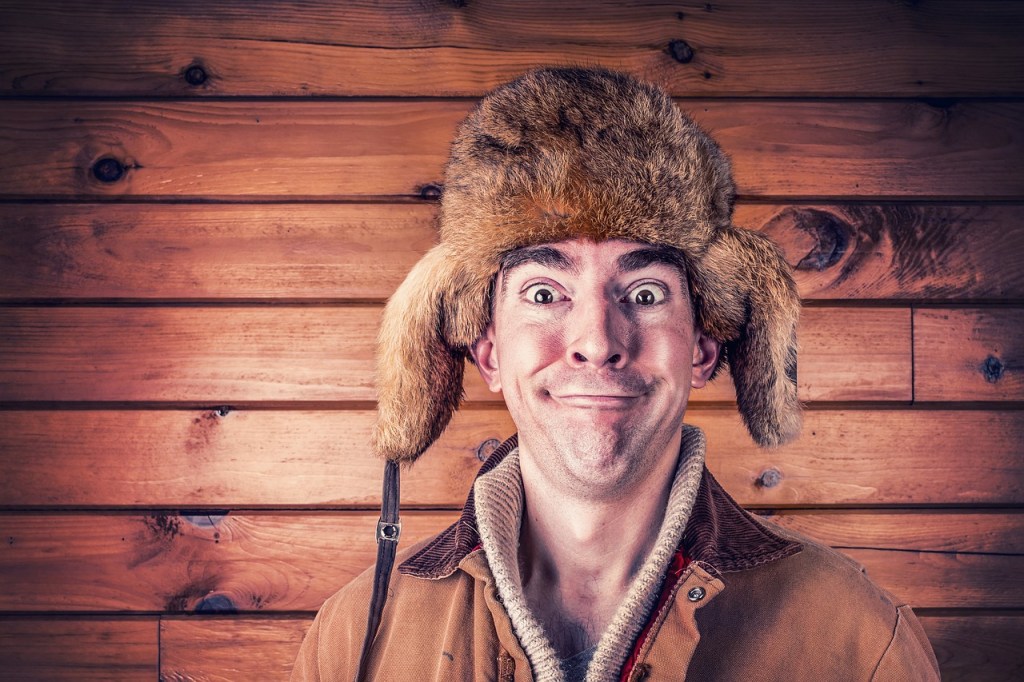
Of course I made it the cover photo.
Don’t get me wrong, there are urban stereotypes too which are equally unrepresentative. Take Sarah Jessica Parker’s character in Sex and the City. She spends all her time tottering around Manhattan in ridiculous shoes sipping cocktails. Though, given the choice between a swivel-eyed serial killer and a columnist in a tutu, I know which is the more flattering. Who’s to say I’m not writing this blog right now in a pair of Jimmy Choos? (I’m not – I’m wearing Crocs – but the point is I could be. Carrie could have been an agricultural journalist, bumping into Mr Big at the Oxford Farming Conference…why not?)
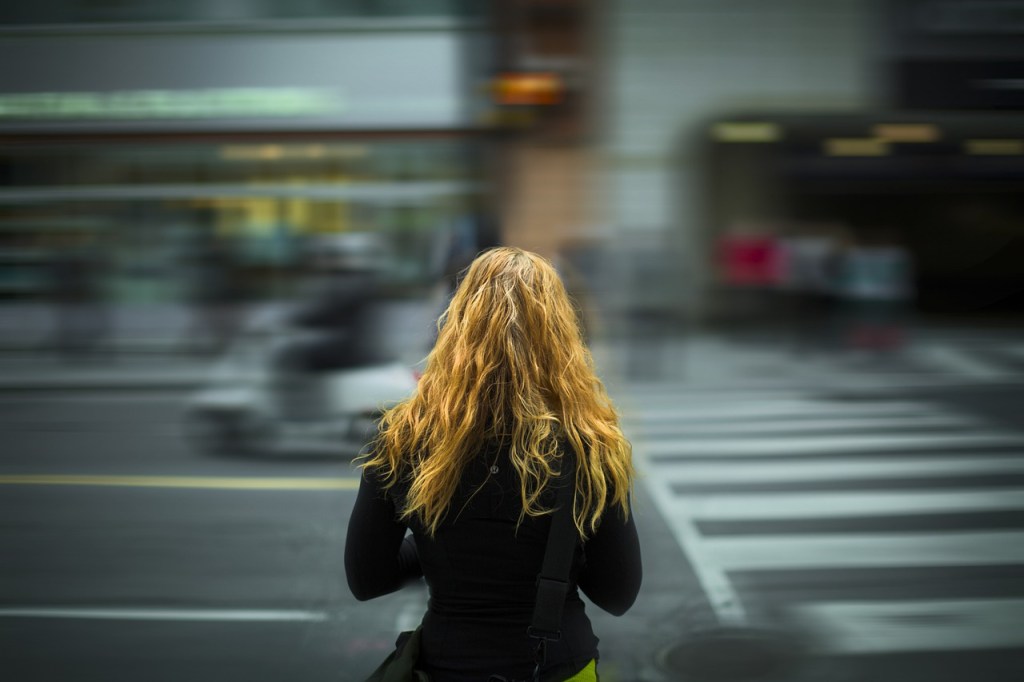
When I think of images that have stuck with me from TV adverts promoting British food and farming over the years, they normally consist of a jolly old farmer on a tractor, the sun rising over a field of dairy cows or a wholesome family tucking into a Sunday roast.
Meh.
I mean, it’s nice and all that, but it doesn’t do much to progress the image of farmers and country people does it?
Having said that, it’s difficult to offer an alternative. The image of the rosy-cheeked, ruddy-faced farmer dude on a tractor is deeply entrenched in public consciousness. I run a non-profit communications project called Just Farmers, which helps members of the media find ordinary farmers to talk to as independent case studies. We were once approached by a well-known brand looking for farmers with ‘gnarled faces and hard-working hands’ to feature in a television commercial. Needless to say, our farmers weren’t particularly flattered, and no one took up the offer.
The truth is, 21st Century farmers increasingly look like everyone else. A typical Just Farmers workshop looks like a room of people in jeans, trainers, and hoodies with the occasional spattering of Schöffel. Most are Generation X or Millennials, with the odd Boomer and Gen Z. Of the first 72 farmers and growers who joined our project, 6% are Black, Asian, or Minority Ethnic (compared to 1% in the agricultural industry as a whole); 4% are from the LGBTQ+ community (compared to an estimated 2.7% of the UK population); and 36% are female (compared to 17% in the UK agricultural industry). Yet this diversity is rarely depicted in adverts about our industry. We are missing a trick.
Rather than advertising what makes our food exceptional and special, we should think a bit more about what makes the people of our industry friendly, accessible, and relatable.
Why can’t an ‘everyday story of country folk’ be a farmer in a Superdry hoodie checking Instagram with an Americano? I could introduce you to a few.
 ANNA JONES
Get this item republished in a media/marketing journal !
Of which I know nothing …
LikeLike